

People’s experiences of long-term pain are featured in our new briefing.
The brief report has been created to inform an ongoing review of long-term pain management services and support by the NHS in Suffolk and north east Essex.
What is the key learning from people’s experiences?
- Pain affects all aspects of people’s lives – pain is not something that exists on the peripheral of people’s lives. Instead, it can be a constant depriver of factors that enrich lives and contribute to positive wellbeing.
- Pain can make caring harder, and creates new family carers – Family carers are amongst the most vulnerable to the impacts of long-term pain.
- Pain affects people in different ways – People need access and guiding to a range of different solutions to manage their pain.
- People need their pain to be taken seriously – Pain can be a leading cause of disability, but the invisibility of pain may also lead professionals in services to doubt people’s concerns.
Wendy Herber (Independent Chair, Knowing Works CIC) said:
“Pain is becoming a silent epidemic in systems and services under significant pressure. It is a growing concern resulting from increased need and reducing capacity in services.
“Pain isolates people from friends, family and vital community support, reduces mobility, inhibits exercise, and can force people into financial uncertainty. It can deprive people of sleep, reduce access to outdoor spaces, influence eating habits, and have severe consequences for people’s mental health.
“We know pain can also deeply impact the lives of family carers. It both creates new family carers supporting those living in daily pain, and simultaneously disables those who already have caring responsibilities at home. This has real consequences for those living with pain, and those who rely so much on their support – including our health and care services.
“Pain affects people’s lives in so many ways – and yet our systems and services are not adapting enough to meet the growing need. We need to see a shift to holistic and varied approaches; to services that fully recognise the widest impacts of pain on people’s lives and support people to overcome them.”
“It’s hard to stay positive” – what have people told us?
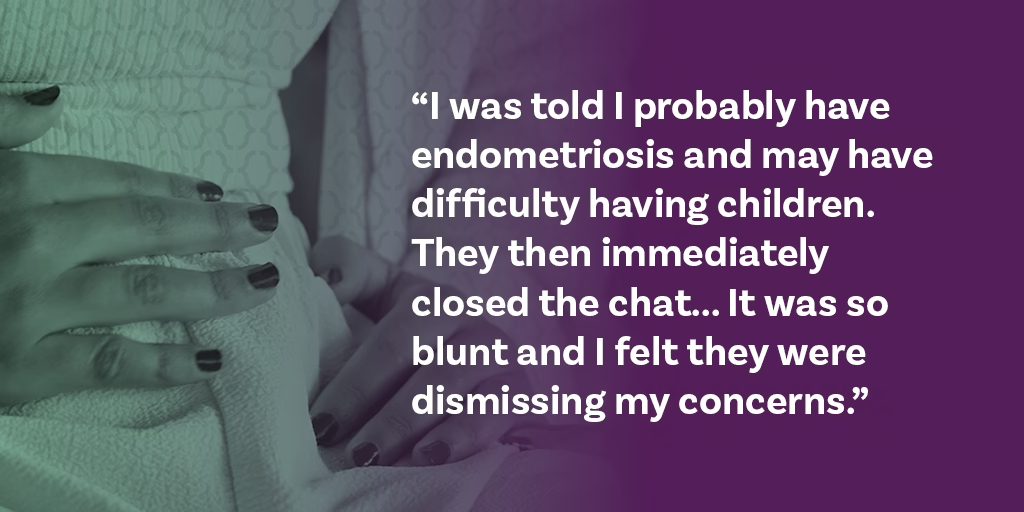
Our research about waiting for hospital care found a third of all respondents who left a comment wrote about the pain or discomfort they experienced whilst waiting for elective care.
Pain was particularly challenging for those who had caring responsibilities at home.
“Waiting for a new hip… Disabled son has cerebral palsy and autism, and he is a big 19-year-old. My daughter has had to help around her job and family as I can’t drive to shop, can’t weight bear my son anymore.
“In constant tears.”
People do not always feel that treatments are effective and can be limited from NHS services. In our research exploring the experiences of people who had used back, neck, or spinal services, several respondents felt the root cause of their pain had not been properly investigated. In some cases, patients believed earlier scans or specialist input might have prevented their pain from getting worse.
“I felt on a conveyor belt where everybody was treated in the same way.”
Healthwatch Suffolk Feedback Centre data reveals mixed feedback about pain management services.
Negative comments tended to focus on the length of time people needed to wait to access the service, a lack of information while they waited, and the limited nature of the treatment offered.
“I’ve been told it will be about a year and I’ve been given no advice while waiting.”
Positive comments described effective treatment and improved quality of life.
“I have been treated for a number of years… they have made my life so much better.”
People had also experienced variable care and support from other services, like GP practices.
Some described feeling dismissed, unheard and inadequately supported. It was clear several people had difficulty being taken seriously about their pain and needed to press for action by services.
“Until this point, I felt dismissed and made to feel it was in my head.”
Others felt well-supported by their practice and doctors.
This included GPs being quick to respond and offer appointments, organising medication quickly and efficiently, feeling heard by professionals, and receiving good information and advice.
“The GP I’ve seen recently has been great, very supportive and has pushed with the hospital when needed too. They’ve done a referral to physio and addressed the pain I was in.”
Ultimately, the right treatment and care can be life-changing for people.
“I was in a wheelchair, in constant pain, so this operation has been life changing and has given me my life back.”
Our report includes much more information and details about people’s experiences.
What’s your experience?
If you’re living in pain, please tell us about your experiences of support from the NHS. It only takes a minute to find, rate, and review services on the Healthwatch Suffolk Feedback Centre.
- Leave feedback about support from the Ipswich Hospital – click here
- Leave Feedback about support from the West Suffolk Hospital – click here
- Leave feedback about the James Paget Hospital – click here
- Find and review your local GP practice – click here
- Leave feedback about Allied Health Professionals Suffolk – click here
Accessible ways to feedback are also available. Learn more at https://healthwatchsuffolk.co.uk/feedback/.
Where to go for support when living with long-term pain
- Chronic Pain Support: This group is run by people with chronic pain for people with chronic pain. You can share concerns and ideas, build friendships and obtain up-to-date information about managing pain. Click here for the Chronic Pain Support Group.
- Living Life to the Full – tailored support for chronic pain. This is a free online course to help people manage many common problems that arise when living with chronic pain. Click here to access the course.
- Suffolk County Council Pain Management Directory: This website has useful information about how to manage chronic pain, including advice from organisations, a list of pain management services and local activities. Click here to access the Suffolk County Council Pain Management Directory.
- Mindfulness for Pain Management – an 8 week course: An 8-week Mindfulness for Pain Management course that brings a softer focus to pain. Click here to access the mindfulness for pain management course.
- 10 ways to reduce pain guidance: This offers steps to help bring you relief from pain. Access these 10 steps here.
- HealthTalkOnline: Here, you can find out about the experience of living with chronic pain by seeing and hearing people share their personal stories on film. Access HealthTalkOnline here.