

In Summary
This research supported the West Suffolk NHS Foundation Trust to improve its virtual ward service offer to patients and their family carers. The research helped to address a gap in the understanding of the experiences of family carers nationally.
This research was delivered by Knowing Works CIC (formerly Healthwatch Suffolk CIC). It was commissioned outside of our statutory Healthwatch service.
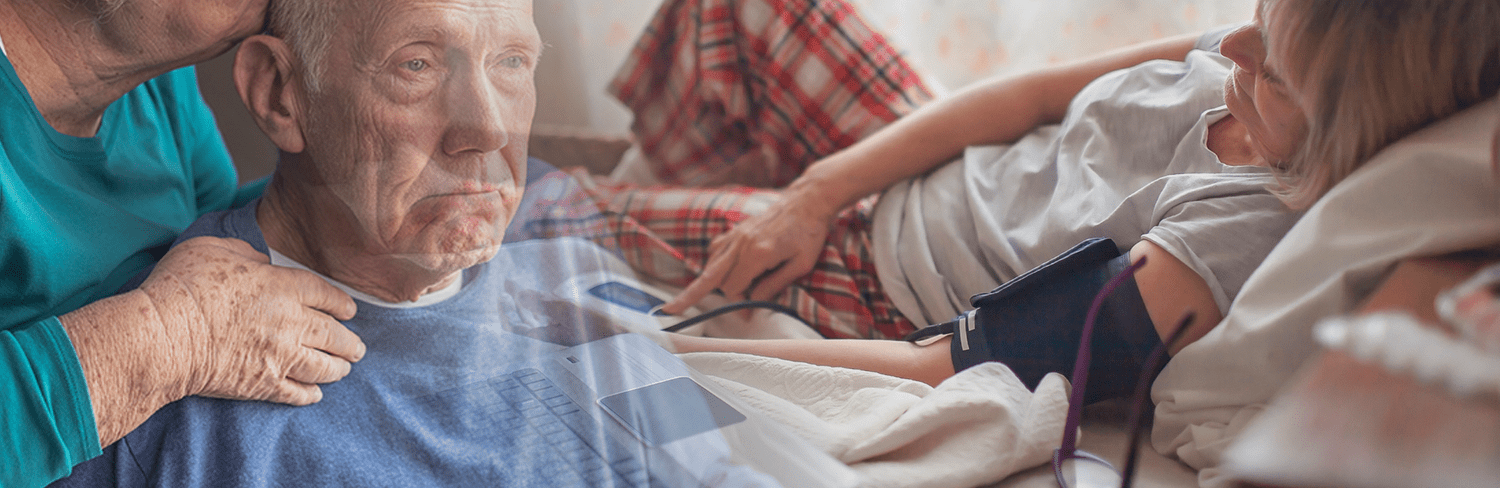
Virtual wards are a relatively new development in the NHS. As such, it has been important to inform service development with the views and lived experiences of patients and their family carers.
Virtual wards allow patients to get the care they need at home, safely and conveniently, rather than being in hospital. Once referred, patients and families receive monitoring technology that measures vital signs (such as blood pressure, heart rate and oxygen levels) at home.
People receive care from the hospital team through home visits and remote monitoring.
What people told us
Themes explored in our full report included that:
- Most people had a very positive experience overall.
- People experienced the benefits of virtual ward care, such as better communication, a perceived quicker recovery, and the convenience of avoiding trips to the hospital.
- Family carers were not always involved in conversations about the admittance of their loved one to the virtual ward soon enough. This meant they had little time to adapt to how the decision could affect their lives.
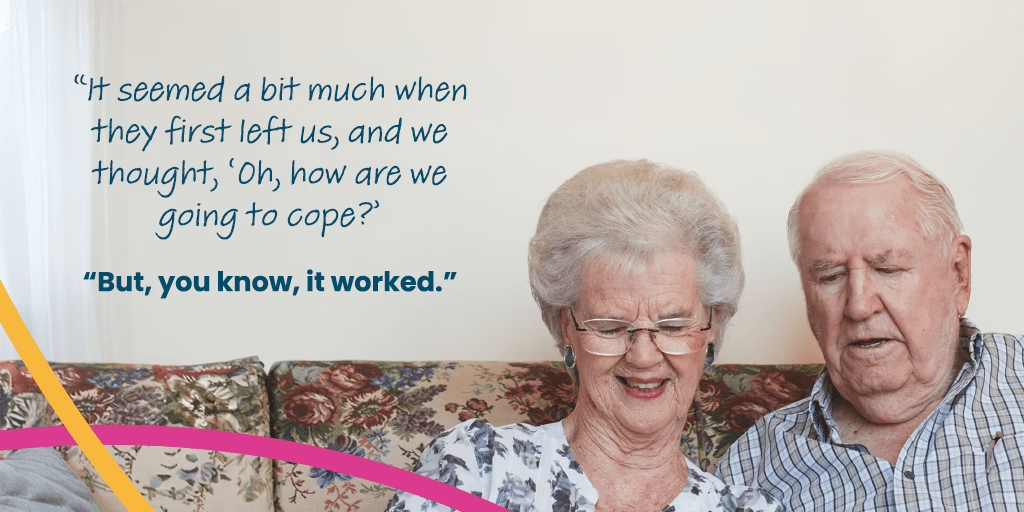
- Most had found virtual ward technology easy to use in practice, even if it initially seemed overwhelming.
- Some people felt the service could benefit from offering better flexibility around contact with virtual ward staff and doctors (e.g., by scheduling contact so that people did not feel like they were ‘on call’).
- People felt the service could do more to assess the needs and circumstances of family carers to make sure they felt able to cope when loved ones are discharged to continue their care at home.
How people’s experiences were used
The hospital developed an action plan to account for the experiences of unpaid family carers in touch with the service.
Caroline Millard (Senior Operations Manager Virtual Ward, West Suffolk Foundation Trust) told us:
“We are thrilled to see that family carers reported a very positive experience overall with our virtual ward service, mirroring the feedback we have received from patients themselves. There are so many benefits for patients and families in being cared for at home rather than in hospital, and we are keen to continue to use digital technology to enable this to happen wherever possible.
“Family carers play a vital role in supporting patients to recover and it is crucial for us to respond to their needs as we continue to expand the virtual ward service. This research provides valuable insights on how we can best do this, and we have developed an action plan to respond to the findings and recommendations.
“Key things we looked at were ways in which we can ensure patients and carers are aware of our virtual service at an early stage so they can consider whether it may work for them. We want to ensure that patients and carers are fully involved in all discussions about virtual care, and we are also evaluating the possibilities around offering flexible visits and calls.”
Explore more by watching our video with Caroline below.
Could we support your next project? Please contact our team.
Please note, we use a third party service called Typeform to manage this form.