

In Summary
Welcome to our page about the wellbeing of more than 5,000 people who took part in the My Health, Our Future survey in 2020. Discover what they told us in our summary below, or download our report for more detail and analysis.
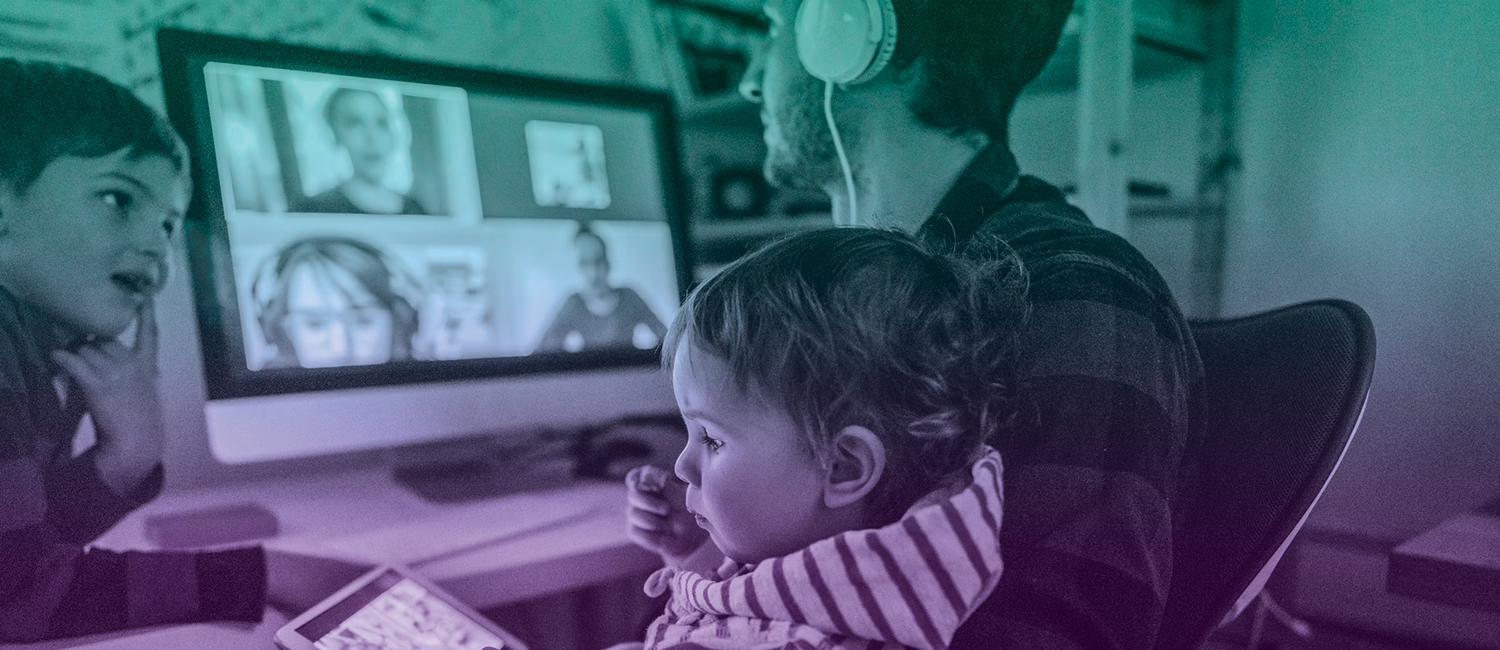
Children (aged 6 – 11), young people, parents, guardians, and people working within Suffolk schools and colleges told us about their wellbeing during pandemic lockdowns.
Our programme offered a timely opportunity to reflect on the impact of lockdown restrictions. Our findings were shared with important networks that had responsibility for planning our county’s COVID pandemic recovery. The report also helped people to think differently about the support young people, education staff, and parents needed in the event of any future lockdown restrictions.
Our findings showed how people did not experience pandemic lockdowns in the same way. For some, lockdown brought positive experiences, strengthened relationships and improved mental health, whilst others experienced worsening mental health and strained household relationships.
Existing inequalities continued to be evident within our data and, for those who were in receipt of support prior to the lockdown, the pandemic had a detrimental impact on their mental wellbeing.
In total, we heard from nearly 5,000 people across four surveys that focussed on how mental health, wellbeing, relationships and feelings about school had been impacted by the pandemic.
Read some key findings
The impact of the lockdown period varied considerably across the sample.
Many respondents reported improved cohesion within households and improved mental health and wellbeing. Often this was attributed to having more time to be with immediate family members or the removal of previous sources of stress (e.g. work pressures or bullying).
Despite this, common themes emerged that suggested the impact of the lockdown period may have been significantly detrimental to people’s mental health and emotional wellbeing. This included heightened levels of anxiety, worries about the impact on vulnerable children and families, feelings of isolation and a negative impact on relationships within households.
Around a third of each sample said their mental health had got worse, and the remaining 15 – 20% said their mental health had improved.
Young people
- Young people receiving or waiting for mental health support, and their parents/guardians, commonly said changes to support had detrimentally affected their mental health. Some young people did not want to use digital support for their mental health, or felt remote support was less effective for them.
- 170 young people felt their mental health had got worse because they had noticed changes in their mood, thoughts and feelings. A number felt trapped. Some described a feeling of not being able to escape from their own thoughts.
- Self-reported feelings of loneliness increased amongst older young people reflecting the absence of friends that become an increasingly important source of wellbeing support.
- Young people who said they were LGBTQ*+ were the most likely to report a negative impact on wellbeing across the survey.
- Four in ten young people commented negatively about changes in their relationship with a parent or guardian.
Education staff
- Education staff were overwhelmingly the most positive about the learning and emotional wellbeing support provided by schools.
- Primary school staff were more likely than secondary school staff to say their mental health had got worse during the pandemic.
- Education staff reported concerns about the support for vulnerable pupils including safeguarding concerns, fears about hidden families, young people’s access to technology and whether their basic needs were being met at home (e.g. nutrition).
- 72% of teachers said families would need additional support to return to school. Key themes were safety concerns, support to return to school routines and gaps in learning.
- 43% of school staff would not need additional support to return to work. For those who felt they needed support, key themes were assurances about a safe working environment, a phased return to work and support with workload because of gaps or backlog.
- People frequently commented about the levels of communication from schools. Better communication was associated with a more positive rating of support.
- Some education staff at risk of the virus expressed serious concerns about what the pandemic might mean for their future career.
Parents and guardians
- A quarter of parents and guardians said lockdown had a negative impact on relationships within their family. 36% were positive and it was clear in themes from all groups that lockdown had brought some families closer together.
- Female parents or guardians were slightly more likely than males to report a negative impact on mental health. Of 844 females, 33% said that their mental health was “worse” or “much worse” since the lockdown, compared to 27% of the 102 male parents.
- Some parents/guardians and young people felt schools had unrealistic expectations about how much workload young people could cope with at home.
- 159 parents and guardians were negative about balancing schoolwork with their paid work. Key workers were slightly more likely to report that they found balancing schoolwork with paid work difficult. Those who had been furloughed were much less likely to report finding schoolwork a challenge.
Primary school age children
- Primary school age children were more likely to report a change in “feelings” during lockdown than secondary and college age students. A third indicated that they felt “good” or “much better”, and a third reported they had felt “worse” or “much worse”.
- Children expressed anxieties and worries about social changes including that friendship groups may have changed or their friends would not like them anymore.
- Those who said they care for someone else were amongst the most likely to indicate they had felt lonely to some extent. Almost three quarters indicated this and nearly half said they had felt lonely “sometimes”, “quite a lot” or “all of the time”. The same is true of children who indicated more than three ‘vulnerabilities’ applied to them. 70% of these children said they had been feeling lonely to some extent.
- Children who felt others were okay in their household were more likely to indicate they had talked about worries, feelings, emotions and the virus.
- Children said their relationship with a sibling had got better because they had time to play and to be together. Siblings had made more effort to get along.
- Children who said they care for someone else were amongst the most likely to indicate they worried about other people getting the virus. 83% of 58 children were either “a little worried” or “very worried” about this.
- Children who did not identify with any specific vulnerability (e.g. having a mental health concern or a disability) were less likely to say they had been feeling “not good” or “much worse than before”. Nearly a quarter (24%) indicated this compared with more than a third (39%) of children who identified with at least one vulnerability. This figure increases to 57% of children who said three or more vulnerabilities were applicable to them.
- Children who said their family were not okay tended to focus on the worries of their parents, including that they had concerns about work or that the child had perceived they were worried about them or someone else. Children also referred to the health concerns of others (e.g. a sibling with a disability or the health status of elderly grandparents).