

In Summary
In this short briefing, we explore feedback from people who have shared their experiences of living with pain, which is becoming an increasing public health concern. Insights were drawn from comments people submitted to the Healthwatch Suffolk Feedback Centre and research completed by our social enterprise.
What’s in the briefing?
Our short report is based on nearly 70 comments people submitted to the Healthwatch Suffolk Feedback Centre, and well over 1,200 responses to our research about waiting for hospital care and back, neck, and spinal services.
“My Pain level is unbearable by middle of the day. My disabled son has cerebral palsy and autism, and he is a big 19-year-old. My daughter has had to step up and help around her job and family as I can’t drive to shop, and I can’t weight bear my son anymore. In constant tears.”
We examine key learning from people’s experiences to inform a review of pain services and support by NHS commissioners in 2026. Comments revealed varied experiences of support and treatment, highlighting the need for personalised and holistic approaches that support people across all aspected on their lives.
Key learning included:
- Pain affects all aspects of people’s lives – pain is not something that exists on the peripheral of people’s lives. Instead, it can be a constant depriver of factors that enrich lives and contribute to positive wellbeing.
- Pain can make caring harder, and creates new family carers – Family carers are amongst the most vulnerable to the impacts of long-term pain.
- Pain affects people in different ways – People need access and guiding to a range of different solutions to manage their pain.
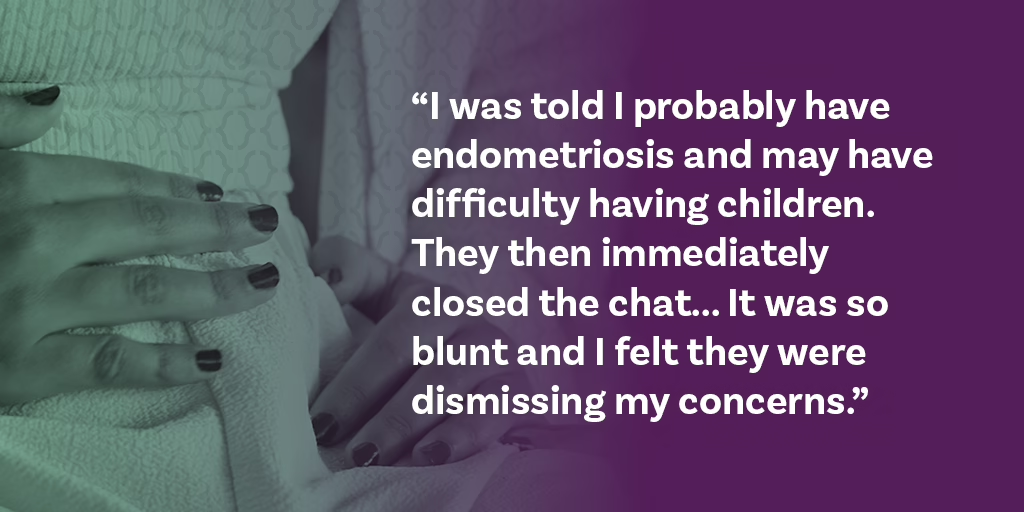
- People need their pain to be taken seriously – Pain can be a leading cause of disability, but the invisibility of pain may also lead professionals in services to doubt people’s concerns.
Our reflection
Wendy Herber (Independent Chair, Knowing Works CIC) said:
“In systems and services under significant pressure, and with so many people waiting for treatment, pain is a silent epidemic; a growing concern resulting from increased need and reducing capacity in services.
“Pain isolates people from friends, family and vital community support, reduces mobility, inhibits exercise, and can force people into financial uncertainty. It can deprive people of sleep, reduce access to outdoor spaces, influence eating habits, and have severe consequences for people’s mental health.
“We know pain can also deeply impact the lives of family carers. It both creates new family carers supporting those living in daily pain, and simultaneously disables those who already have caring responsibilities at home. This has real consequences for those living with pain, and those who rely so much on their support – including our health and care services.
“Pain affects people’s lives in so many ways – and yet our systems and services are not adapting enough to meet the growing need.
“We need to see a shift to holistic and varied approaches; to services that fully recognise the widest impacts of pain on people’s lives and support people to overcome them.”
Can we support your next project? Please contact our team.
Please note, we use a third party service called Typeform to manage this form.